
Key Projects
EME Utility Engineering delivers innovative, practical engineering solutions across public, private, and Indigenous-led infrastructure projects. Our work spans electrical, mechanical, and utility engineering for complex facilities where sustainability and reliability is critical.

TTC – Bus electrification project
EME served as Engineer of Record for Ontario's first major electric bus charging deployment at the TTC's Arrow Road garage, delivering full design calculations and documentation across five phases: 3 EV chargers for the eBus pilot (Phase 1); 13 chargers / 26 dispensers for full deployment (Phase 2); a Battery Energy Storage System (BESS) with Energy Management System to protect power distribution (Phase 3); a Total Harmonic Distortion filter designed from Phase 3 test results (Phase 4); and BESS black start capability in islanding mode (Phase 5).
(2018-2021)
Consulting With Waasmoowin
(2025-2026)EME proudly supports the Wassmoowin First Nations community, helping Indigenous businesses secure over $2 billion in project opportunities. Our work includes conducting in-depth systems studies, completing Customer Impact Assessments (CIAs), and actively engaging with businesses within First Nations communities to drive economic growth and meaningful partnerships.
(2024-Current)Hydro Ones Building Broadband Faster Act
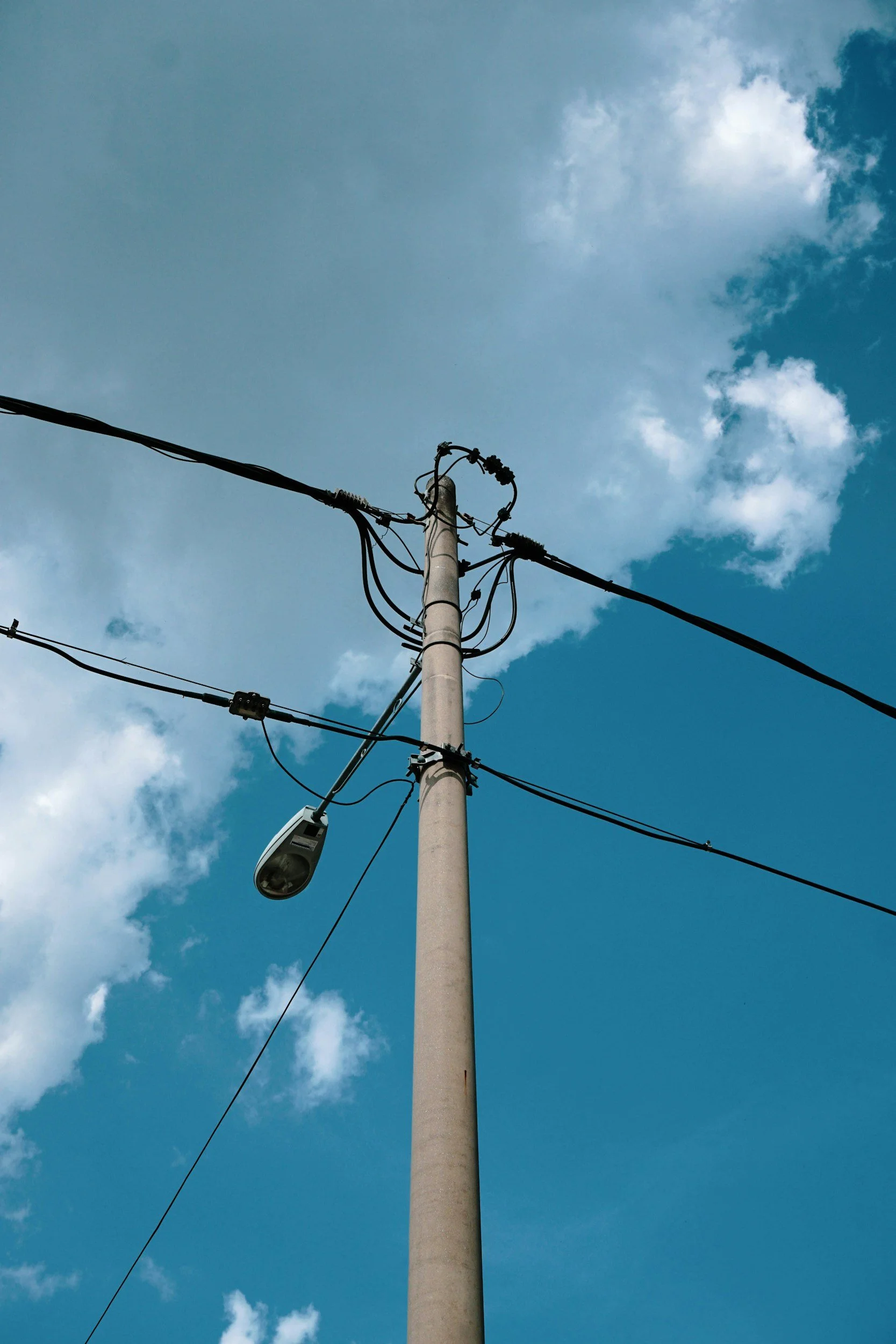
As part of Hydro One’s Building Broadband Faster Act program, EME delivered roughly 5 200 pole designs and managed about 9 600 QA/QC revisions in less than a year. The work included transformer replacements, overhead‑to‑underground transitions, secondary service connections and street‑lighting transfers, all sealed by P. Eng. personnel and compliant with CSA and Regulation 22/04.
(2025-Current)Hydro One & Elexicon CVP
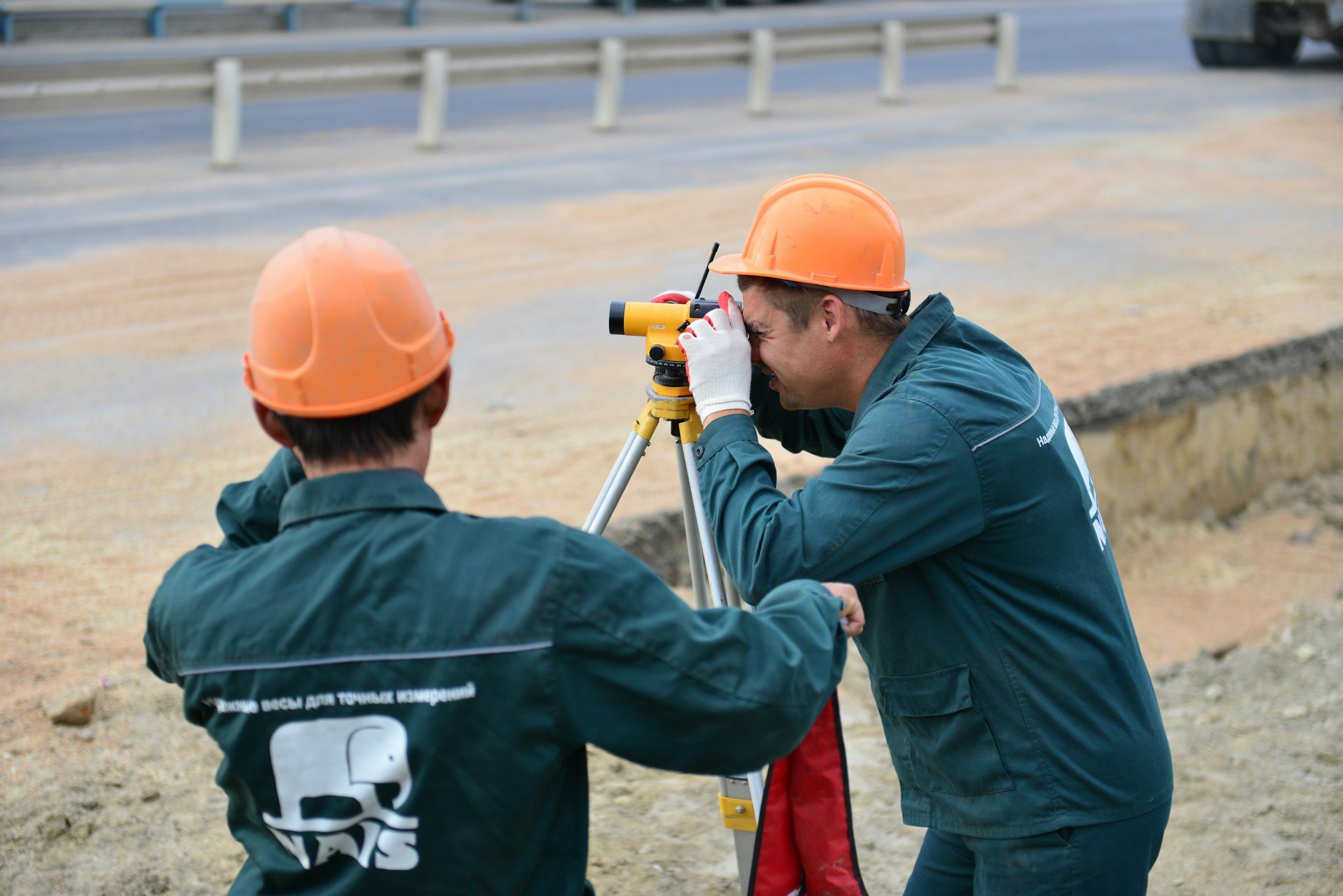
Our team has experience supporting projects under the Construction Verification Program (CVP) requirements of Hydro One and Elexicon Energy. We understand utility inspection, construction compliance, and quality verification processes, and have worked alongside utility inspectors to ensure installations meet approved designs, safety standards, and technical specifications.
Grid Modernization & Weather Resilience Project
EME developed a comprehensive power‑grid simulator incorporating AI/ML algorithms to forecast extreme weather events and proactively protect transmission and distribution systems. This project covers an approximate design span of 493 km operating at 44 kV, integrates high‑performance C/C++ and Python code, and includes a JavaScript‑based UI with IoT and cloud connectivity. The team overcame challenges in implementing advanced algorithms and successfully delivered the work on schedule.

Grid Tech Support Program
In Ontario, our Grid Tech Support Program supplied design review, vendor coordination, and test-plan development across 4 MW of BESS and 500 kW EVSE. We embedded field engineers in our team to streamline technical decisions and accelerate a $5 M modernization rollout. Also, for an Ontario Edge-Node Voltage Control Trial, we developed detailed project plans—schedules, resource allocations, and risk registers—and performed pre-deployment feeder analytics, enabling sub-cycle voltage corrections on eight feeders.

(2009-Current)Maximum Penetration of DERs in Alberta T&D System
EME assessed how much distributed energy can be integrated into Alberta’s power system without causing overvoltage, short‑circuit faults or equipment overloading. Extensive electromagnetic‑transient analyses determined maximum DER sizes per substation and addressed temporary overvoltage issues through optimized protection settings and surge‑arrester designs.